
How to Choose the Best Woodsy Car Air Freshener (Forest vs Cedar vs Sandalwood)
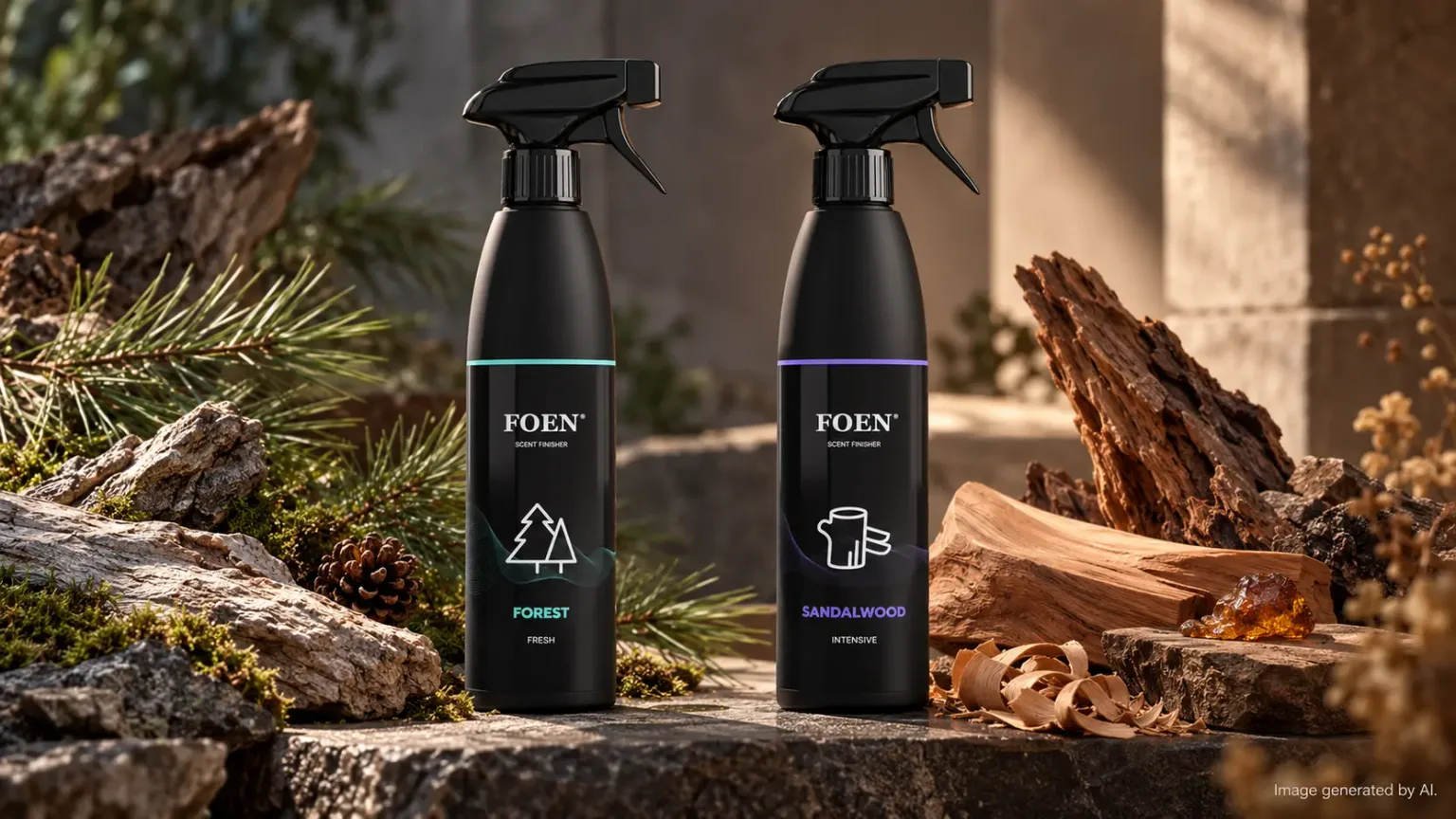
If you have ever opened the cabin and been hit by a sharp, headache-inducing “gas station pine tree,” you already know why woodsy notes are different. Done well, forest-like, cedar-like, and sandalwood-style fragrances feel warmer, more layered, and closer to real materials than cheap synthetic tree scents.
This guide is for drivers who already like woodsy profiles - and want to distinguish them with their senses. Because “woody” is a wide family, and your nose will thank you for choosing the right direction.
Why wood notes feel like a luxury cabin
Woodsy fragrances typically land differently than quick “cover” scents. They tend to build a calmer, more complex profile - think warm timbers, smooth resins, and soft woods rather than a sudden blast that disappears within minutes.
Three practical factors usually separate a premium woodsy experience from a cheap one:
- Smell character: wood directions often feel grounded and composed, not overly sugary or overly sharp.
- Release style: the best systems aim for a steady release so the cabin doesn’t swing from “too much” to “nothing.”
- Placement: fragrance placed on or near suitable surfaces and airflow zones can read more consistently than fragrance sprayed only into the air.
Quick practical insight: if your goal is “luxury cabin,” treat scenting like detailing. The cabin has zones (textiles, airflow paths, hard surfaces), and scent needs the right zone to perform.
Decode wood profiles: forest-like, cedar-like, sandalwood-style
To shortlist a scent, focus on two dimensions:
- Fresh vs warm: forest-like profiles often feel brighter and cooler; sandalwood-style profiles often feel warmer and creamier; cedar-like profiles sit in between - more woody, sometimes slightly green or dry.
- Overall vibe: do you want “clean, cut wood,” “dry, closet-like timber,” or “smooth, softly polished comfort”?
Important note about ingredients vs notes: hearing the word “sandalwood” (or “cedarwood”) in a fragrance description tells you about the sensory direction. It does not automatically prove the presence of natural sandalwood oil or specific natural materials. Your nose can guide you - but only the ingredient list can confirm what is actually used.
Below are examples using currently documented FOEN compositions and formats. This is not a “strongest” ranking - it’s a sensory decoding tool built only from confirmed notes and named compositions.
| Woodsy profile you’re after | What it tends to smell like (accessible sensory cues) | FOEN examples (confirmed composition/naming) |
|---|---|---|
| Forest-like (fresh-cut tree) | Brighter, lively woods. Often feels airy and “after rain” or like freshly cut timber rather than dark smoke. | FOEN Forest (line: FRESH) described as “fresh, forest scent.” FOEN Wood Stick: Sunrise described as fresh with lemon, coconut, and flowers (wood format for vent diffusion). |
| Cedar-like (dry, grounded wood) | Dry woody structure. Can read slightly green or “polished timber/closet” depending on the blend. | FOEN Sandalwood described as based on pine, cedarwood and sandalwood (line: INTENSIVE). FOEN AIR SCENT: SANDALWOOD described as warm and calm with notes of pine, cedarwood wood and sandalwood. |
| Sandalwood-style (warm, smooth comfort) | Soft, polished warmth. Often feels creamier and more “comfortable” than smoky/resinous woods. | FOEN Sandalwood described as an intensive oriental-style wood comfort blend. FOEN AIR SCENT: SANDALWOOD described as warm and calm with pine, cedarwood wood and sandalwood. |
| Oud-style (deeper resinous wood) | Darker resin depth. Often feels more dramatic and “smoky” than forest or cedar directions. | FOEN Habib described as an oriental aroma of oud, saffron, and leather (FOEN AIR SCENT option for FOEN AIR ONE). FOEN AIR SCENT: HABIB described as oud with saffron and leather. |
| Smoky sandalwood energy (wood + smoke mood) | Exotic wood depth with a smoky edge. Feels richer and slightly mysterious rather than purely fresh. | FOEN Carbon described as a mixture of smoky coal and exotic sandalwood (UNIQUE line). FOEN AIR SCENT: MR. BOSS includes cedar wood among other notes (woodsy + spice profile in a nebulized format). |
Practical insight: if you’re choosing between two “wood” options and you can’t decide, pick based on temperature in your mind. If you want comfort during cooler mornings and evenings, lean toward warm/sandalwood-style. If you want a brighter cabin feeling, lean toward forest-like.
Wood scent vs wood fragrance holder: what really changes the experience
One common confusion: “wood car air fresheners” can mean either a wood-scented fragrance or a wooden-looking holder.
- A wood fragrance holder controls the form factor (how the scent is released), but it doesn’t guarantee the scent profile you expect.
- A wood scent (like a sandalwood-style or forest-like composition) is the actual fragrance direction - what your nose experiences.
Practical insight: when you shop, read the composition name and described notes. Don’t judge only by the “wood” look. In FOEN’s case, formats like the vent-mounted FOEN Wood Stick are designed to diffuse a specific premium fragrance composition gradually - the holder is only part of the system.
Cabin materials and scent longevity: leather, cloth, and more
Two cars can use the same scent and feel different. The biggest driver is what the scent has access to.
- Textiles (carpeted mats, cloth upholstery): fragrances applied to textiles often distribute more gently and can linger because fabric fibers hold onto scent molecules.
- Leather and smooth surfaces: scents often read as cleaner and more “on the surface.” Vent diffusion can be the most consistent way to create an ambient effect without risking oversaturation of upholstery.
- Airflow paths (vents): vent-mounted formats typically create a steady, cabin-wide feeling because airflow moves scent into the breathing zone.
Practical insight: if your car has fabric seats or carpet mats, your scent plan should include a textile-friendly method. If you have mostly leather and want subtle, even diffusion, vent-based formats usually fit better.
Do wood car air fresheners actually work?
Short answer: yes - when the product is designed for controlled release and you place it in the right area of the cabin.
- Gradual release: you want the scent to evolve rather than spike and fade.
- Material interaction: diffusion works better when the system can support steady fragrance movement (textiles for spray formats, airflow for vent formats).
- Placement matters: vent-adjacent positioning often gives more consistent cabin presence than placing fragrance only in one low-airflow pocket.
For a natural-looking, low-effort option, FOEN vent-mounted systems are built to support gradual diffusion. For a more enveloping cabin feel, FOEN Spray Perfumes use a textile-focused approach.
Pick your FOEN format based on your lifestyle
Different formats solve different problems. Use this quick decision guide based on how you drive and what you want to feel in the cabin.
- If you want an enveloping “fresh cabin” feel: consider FOEN Spray Perfumes and apply fragrance to textile zones using the 7x7 approach.
- If you prefer subtle, steady diffusion while driving: consider vent-mounted FOEN Wood Stick (wood housing + premium fragrance core) for a consistent, low-visual-impact result.
- If you want a diffuser-like vibe with adjustable intensity: consider FOEN AIR ONE, which uses cold nebulization (no water, no heating). You can pair it with woodsy options like FOEN AIR SCENT SANDALWOOD or FOEN AIR SCENT HABIB.
Reference point for your shortlist: choose the wood direction first (forest-like vs cedar-like vs sandalwood-style), then choose the format that matches your cabin materials and your patience level.
The 7x7 application method for longer-lasting fragrance on textiles
If you’re using FOEN Spray Perfumes on interior textiles, the “pro-detailer” technique is the 7x7 method. It helps prevent the common mistake of over-spraying one spot and getting patchy scent distribution.
How it works: apply scent using 7 sprays per textile section, repeated across 7 consecutive days (for example, on each floor mat textile area). FOEN recommends this method to support noticeable scent presence for about 30 days - and with gradual use of the full bottle, effect can last up to about four months.
Short practical insight paragraphs to avoid typical issues:
- Don’t rush the pattern: “spray once and stop” usually creates a short burst. The 7x7 schedule is meant to build a steadier baseline on fibers.
- Let it settle: after application, avoid immediately blasting vents on max power if you’re trying to keep the scent profile smooth for the first days.
- Match intensity to your commute: for short drives, very smoky profiles can feel noticeable quickly. For longer daily routines, warm wood directions tend to develop more comfortably.
FAQ
How do I tell forest-like vs cedar-like wood scents apart?
Forest-like often feels brighter and “fresh-cut,” while cedar-like tends to feel drier and more grounded (sometimes slightly green or closet-timber). Use the fresh vs warm dimension to shortlist quickly.
Does “sandalwood” on a fragrance label mean it contains natural sandalwood oil?
No. “Sandalwood” usually describes the sensory direction (notes). Only the ingredient list can confirm what natural oils or materials are actually used.
Will a wooden air freshener holder make any wood scent?
Not necessarily. The holder mainly affects release style (vent diffusion, airflow, form factor). The actual fragrance profile comes from the named composition and notes.
Do woodsy car scents last longer than other scents?
They can, especially when paired with the right release method and surfaces. Textiles and controlled release formats typically support more consistent longevity than quick “air-only” sprays.
Which woodsy direction is best for leather interiors?
If you want an even cabin presence without oversaturating upholstery, vent-based diffusion or adjustable nebulization formats are often a better fit. For the exact pick, start with your preferred profile: forest-like, cedar-like, or sandalwood-style.
What’s the easiest way to avoid choosing the wrong scent?
Test in your own cabin. A small sample-first approach helps because ventilation habits and interior materials change how the same wood profile smells in real life. One clear next step: if you want to narrow down forest-like, cedar-like, or sandalwood-style preferences without guessing, explore FOEN’s sampling and scenting options on FOEN official website and pick the format that matches your cabin and your routine.